Sub-Surface Progression Dive Shop
18600 Old Coast Highway — A longtime Highway 1 dive shop founded in 1977, in the redwood-built building remembered earlier as Harold Brayton's Redwood Rendezvous.
Last updated: July 9, 2026
Overview
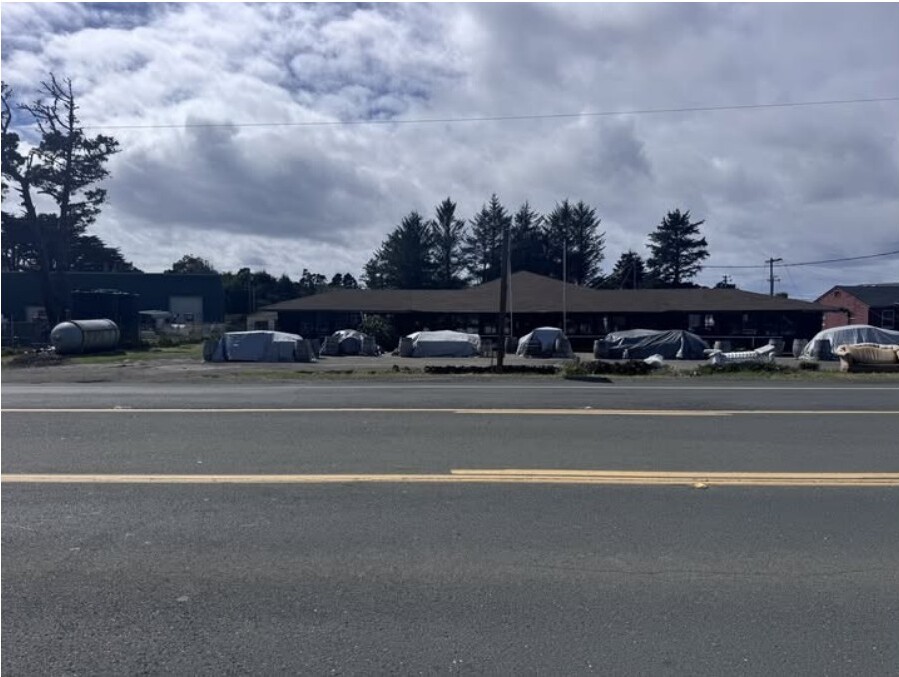
Sub-Surface Progression Dive Shop
Some Highway 1 buildings carry more than one Fort Bragg story at once. This one has redwood, burls, wetsuits, abalone, petitions, layaway, surfboard wax, and a ceiling people still remember.
The building at 18600 Old Coast Highway is best remembered by many as Sub-Surface Progression, Fort Bragg's longtime dive shop. Founded in 1977, it served North Coast divers with equipment rentals, kayak rentals, dive gear repair, air fills, wetsuits, and the kind of local advice that mattered when heading into cold Pacific water.
For years, this was not just a store. It was one of those places people passed through on the way to the ocean, especially during the days when abalone diving was a major part of life on the Mendocino Coast.
But before the dive shop, this building had another very Fort Bragg chapter.
Location
18600 Old Coast Highway sits along the north end of the Fort Bragg area, where Highway 1 businesses developed differently from the compact storefronts downtown.
This was a roadside world of bigger parcels, practical buildings, storage, service businesses, specialty shops, and places that depended on people driving past and pulling in.
Redwood Rendezvous fit that setting perfectly.
Later, Sub-Surface Progression did too.
One was tied to the forest. The other was tied to the ocean.
History
Before the dive shop, local memory identifies this building as Harold Brayton's Redwood Rendezvous, a family business built sometime in the 1960s.
The shop sold live burls, burl and redwood furniture, and other redwood pieces. Local memories also tie Brayton to the distinctive construction of the building itself, using large redwood timbers and giving the place a handmade North Coast character that people still remember.
That earlier chapter belonged to a very particular Mendocino Coast roadside tradition. Visitors drove Highway 1 looking for redwood furniture, burls, carvings, and pieces of the forest they could take home.
Then the building changed direction completely.
Instead of redwood burls and furniture, it became filled with fins, masks, wetsuits, tanks, kayaks, abalone irons, surfboard wax, and all the equipment connected to getting into the water.
Sub-Surface Progression was founded in 1977 and became part of the rhythm of North Coast diving for decades.
The memories make clear how important the shop became. One person remembered spending a lot of time and money there during the abalone days. Another remembered buying a first wetsuit there at age 13 in 1986 and using layaway to afford it.
Another longtime customer remembered buying several nearly new used wetsuits when the shop sold off its rental suits each winter. He also bought abalone-diving gear there, along with surfboard wax and surfboard leashes.
Those little details are what bring the shop back to life.
It was not just a place for experienced divers. It was where kids bought their first wetsuits, where people replaced worn gear, where rental suits found second lives, and where surfers and abalone divers could all find something they needed before heading back toward the water.
The building also became connected to the environmental side of Fort Bragg history. In the 1980s, people remember setting up a table there to protest offshore oil drilling, collecting signatures and postcards to send to Sacramento.
That makes sense for a dive shop.
The ocean was not just scenery to the people who came through this building. It was food, recreation, livelihood, identity, and something worth defending.
The Building Today
The later decline of the abalone fishery changed the meaning of places like Sub-Surface Progression.
California closed the recreational red abalone fishery in 2018 after major population declines, and the closure has since been extended until at least April 1, 2036.
That was a huge change for a coast where abalone diving once filled campgrounds, beaches, motels, restaurants, and businesses like this one.
The comments about missing Sub-Surface Progression, buying old rental wetsuits there, remembering first dive gear, and wondering where people now go for air fills carry the weight of that change.
This was not just one business disappearing.
It was part of an entire coastal culture changing.
Why It Matters
What I like about this building is that both of its best-remembered chapters still feel connected.
Redwood Rendezvous belonged to the forest-and-roadside Fort Bragg.
Sub-Surface Progression belonged to the ocean-and-abalone Fort Bragg.
Same building, two different coast stories.
One sold redwood and burls. The other outfitted people for cold Pacific water.
Both were rooted in the natural world around Fort Bragg, and both depended on people coming to the edge of town looking for something they could not get just anywhere.
That is what makes this old Highway 1 building worth remembering. It carried one generation toward the redwoods and another toward the ocean, and somehow both stories still belong under the same roof.
Sources & Original Research
This article blends verifiable historical records with personal recollections shared by longtime Fort Bragg residents. Much of this information comes from community memory and is not available in any published source.
Sources: California Diver, “Featured Dive Shop: Subsurface Progression”; California Department of Fish and Wildlife current ocean recreational fishing regulations; California Fish and Game Commission / CDFW notice extending the red abalone recreational fishery closure until April 1, 2036; Yellow Pages listing for Sub-Surface Progression; Wanderlog listing for Sub-Surface Progression; Instagram page for Sub-Surface Progression; original post text provided by Gee Bee; comment thread provided by Gee Bee, including contributor memories from Dick Whetstone, Keith Olson, Larry Nelson, Chelan Brayton Hill, Donna Winters, Heather Capps, Neil Robertson, Charles A. Peavey, and Bill Brazill.
