Weller House
524 Stewart St. — One of Fort Bragg's best-known historic Victorians, built in 1886 for Horace Weller, enlarged in 1897, and listed on the National Register of Historic Places.
Last updated: July 31, 2026
Overview
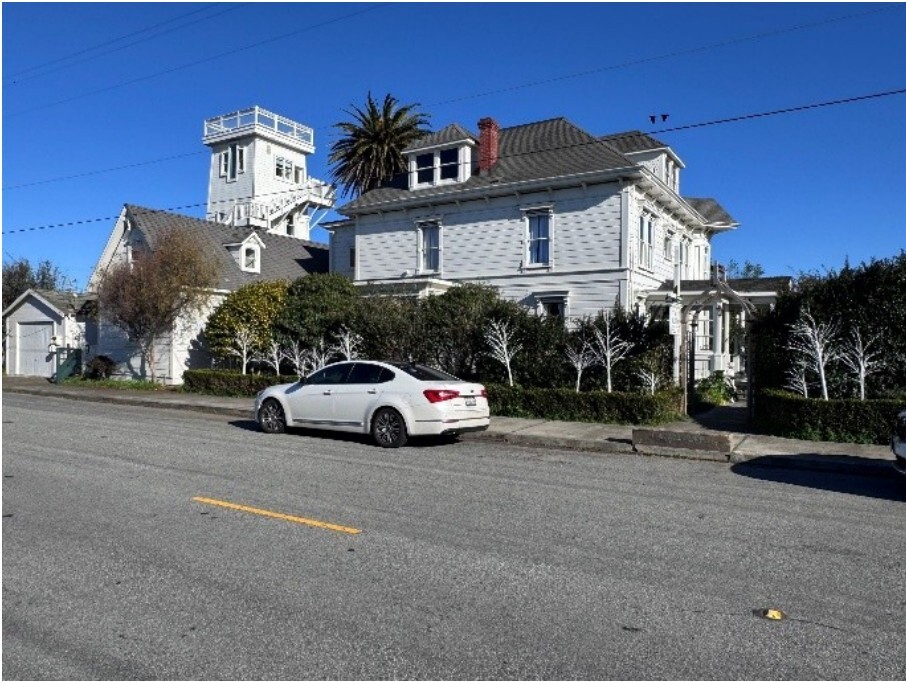
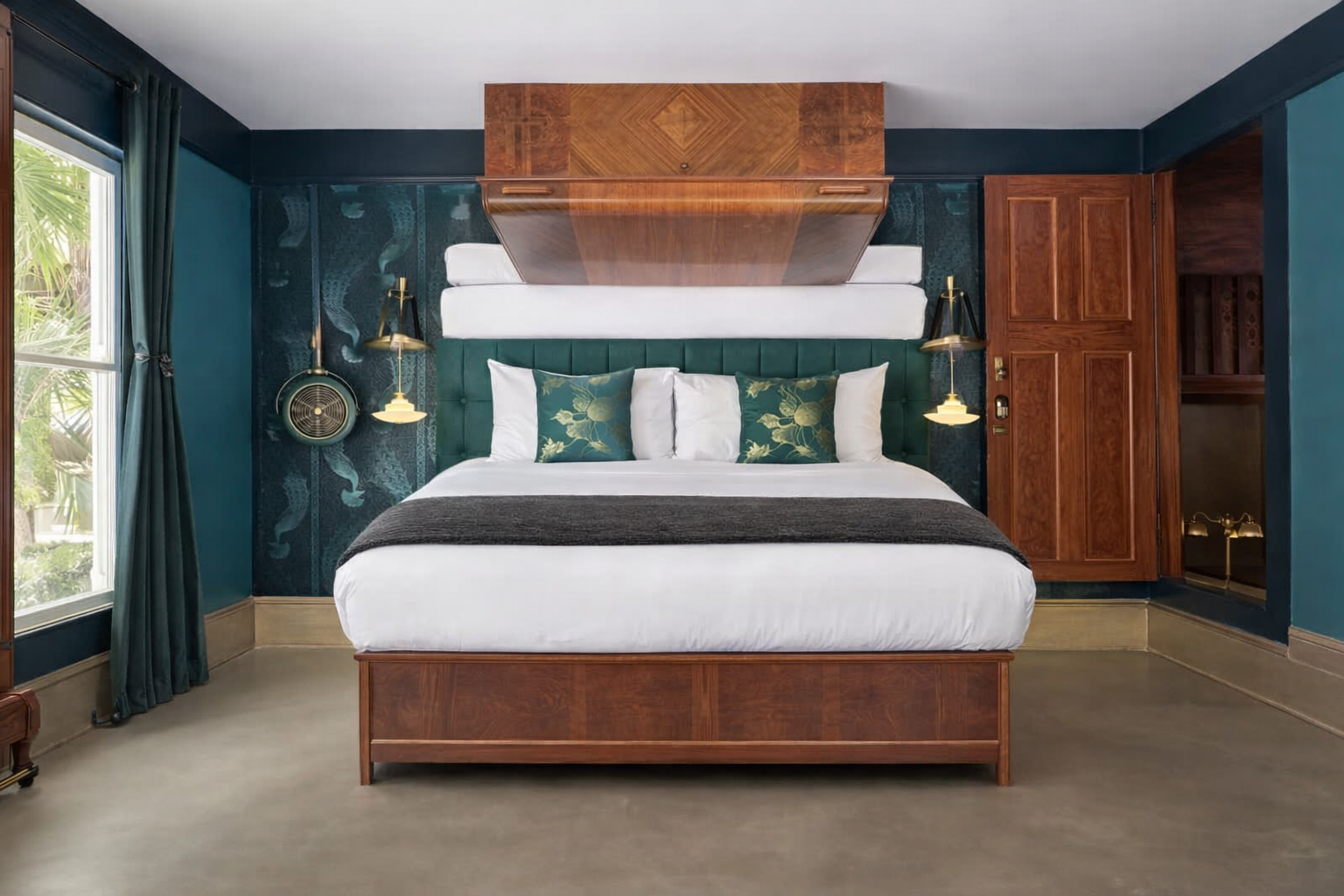
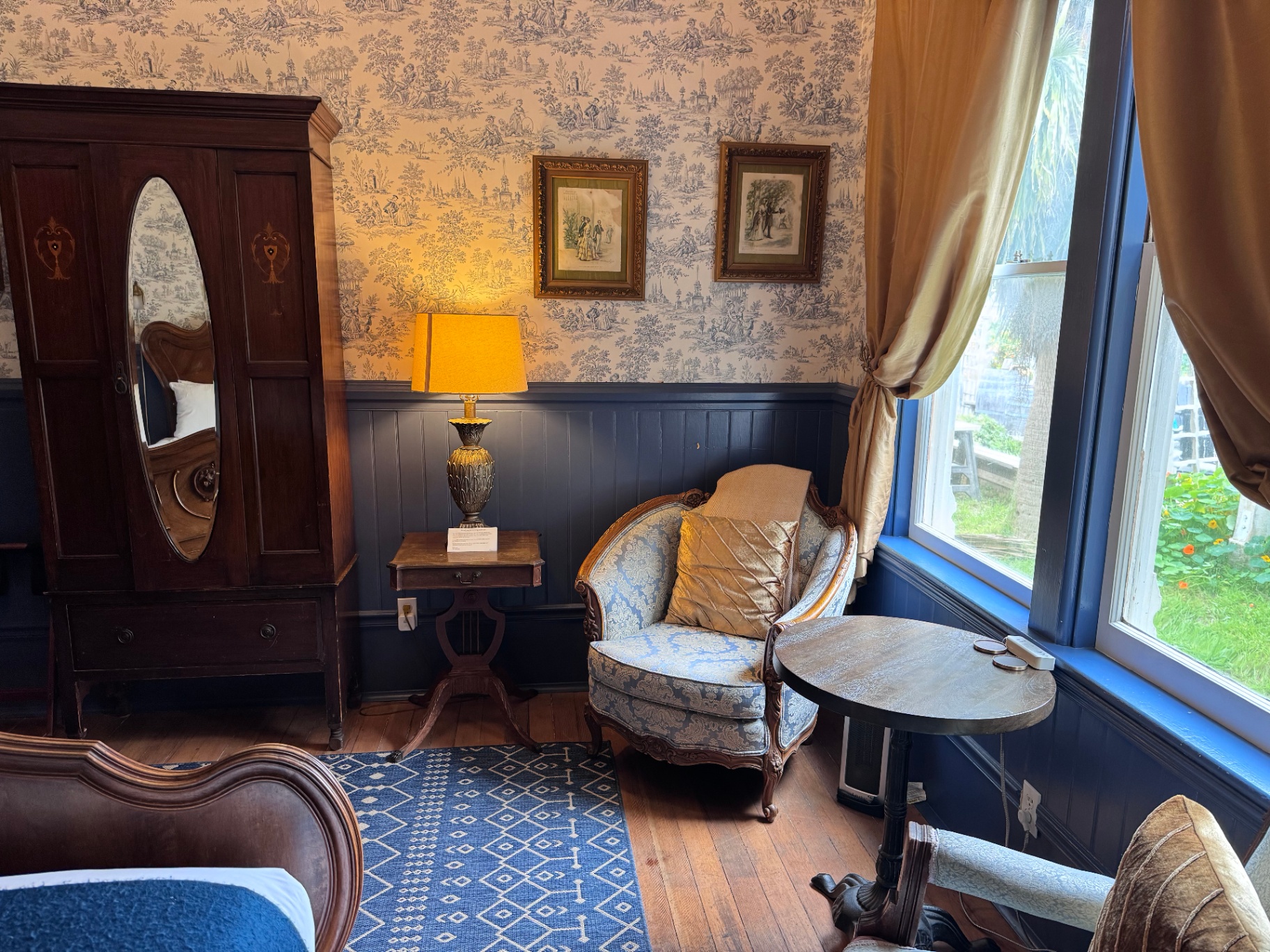
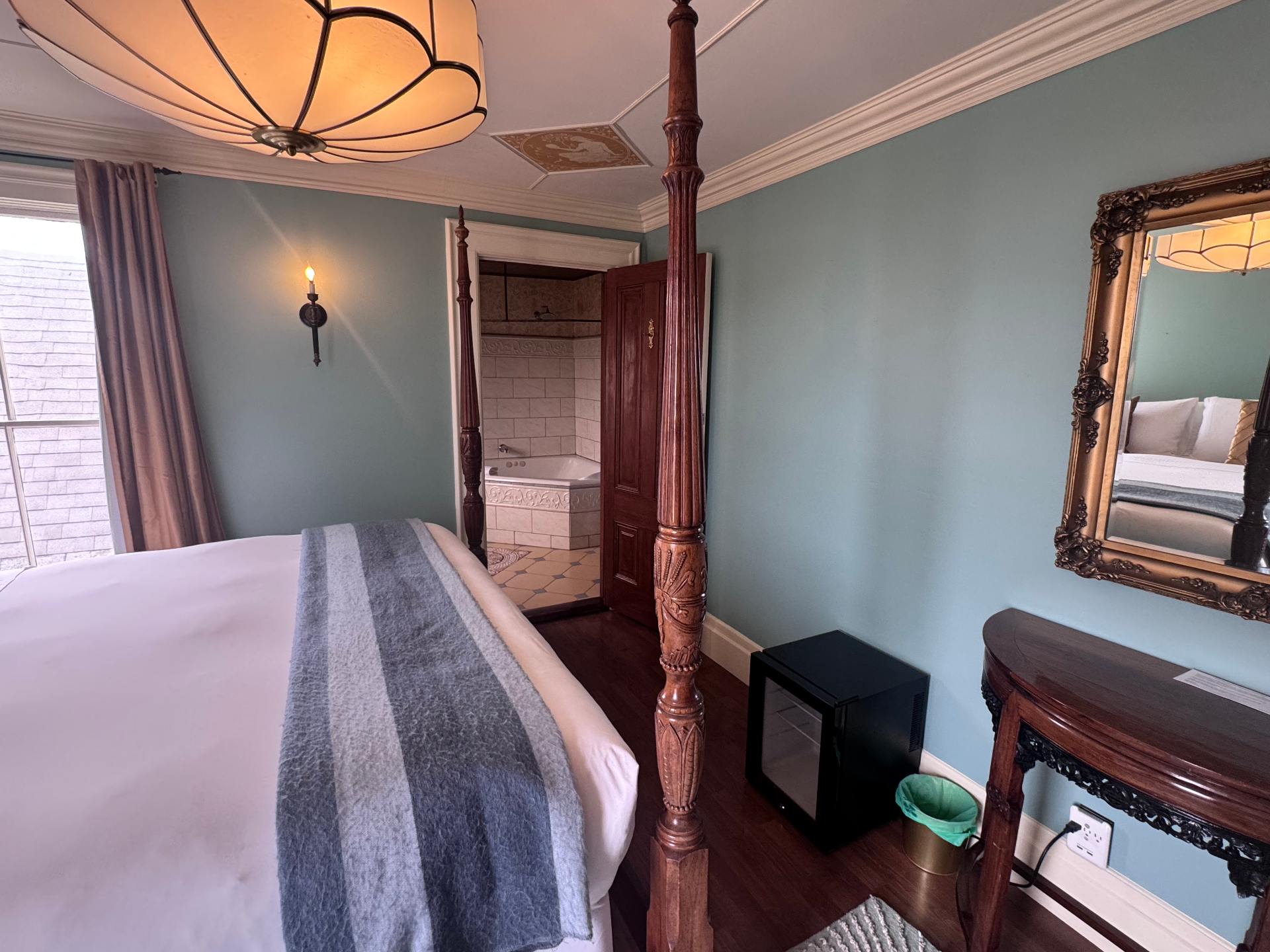
The Weller House is one of the Fort Bragg homes people point to when they start arguing history on the sidewalk.
Honestly, that is part of what makes it interesting.
It is one of the town's best-known historic residences, and it has the official documentation to support that reputation.
The Weller House is formally listed on the National Register of Historic Places at 524 Stewart Street. Its National Register nomination identifies it as a residence built in 1886 for Horace Weller and enlarged in 1897.
That documented history makes it one of Fort Bragg's strongest early residential landmarks.
It is not simply an old house with a good story. It is a preserved Victorian with formal historic recognition, extensive old-growth redwood and fir woodwork, a third-floor ballroom, a water tower, and a long place in local memory.
Location
The Weller House stands at 524 Stewart Street in Fort Bragg, within one of the town's older residential neighborhoods.
Stewart Street is part of the town grid that still carries traces of early Fort Bragg, when homes, carriage access, alleyways, gardens, and working-town streets were all part of the same everyday pattern.
The location matters because the Weller House is not isolated from town life. It sits among other older homes and layers of neighborhood history.
Across the street and nearby are houses that have generated their own stories, including the Stewart House at 511 Stewart Street, which has sometimes been described locally and in property listings as an earlier home.
That closeness is one reason the Weller House often becomes part of discussions about Fort Bragg's oldest surviving houses, earliest Victorians, and best-documented historic buildings.
History
The documented history of the Weller House is unusually strong. According to the National Register nomination, the house was originally constructed in 1886 as a one-and-a-half-story Victorian residence for Horace Weller.
In 1897, the building was enlarged with additional second- and third-floor space, creating the larger form recognized today.
That expansion gave the house much of its present character and helped create one of its most famous features: the third-floor ballroom.
The historic record also emphasizes the house's extensive interior woodwork. Old-growth redwood and fir were used throughout the building, giving its rooms a richness closely tied to the materials available during Fort Bragg's timber era.
Later descriptions of the property have continued to highlight the ballroom, water tower, elaborate woodwork, period bedrooms, carved furniture, painted ceilings, and other Victorian details.
Those features made the Weller House more than a large residence. They gave it the character of one of Fort Bragg's showpiece homes.
Horace Weller and the House
The house was built for Horace Weller during a period when Fort Bragg was developing rapidly as a lumber and coastal town.
A substantial Victorian residence of this kind reflected both personal prosperity and the growing confidence of the community.
The original one-and-a-half-story house was already significant, but the 1897 expansion made it more imposing.
The added upper floors, ballroom, interior detailing, and larger proportions changed the house into the landmark people recognize today.
Although the ownership and use of the property changed over time, the Weller name remained attached to the building and became part of its identity.
Interior Features
The interior of the Weller House is one of the main reasons the property has remained so memorable.
Bedrooms have been furnished with carved wooden beds, four-poster frames, canopy details, antique armoires, period wallpaper, and decorative fabrics.
Sitting rooms have featured Victorian-style furnishings and carefully restored finishes intended to preserve the atmosphere of the house.
The extensive redwood and fir woodwork remains one of the building's most historically important features.
Local memories also describe painted ceilings, restoration work, house tours, and the experience of being invited inside for meals or gatherings.
People who had the opportunity to enter the house often remembered the interior as much as the exterior.
The rooms gave visitors the feeling of stepping into a house that still carried its age proudly rather than hiding it.
The Third-Floor Ballroom
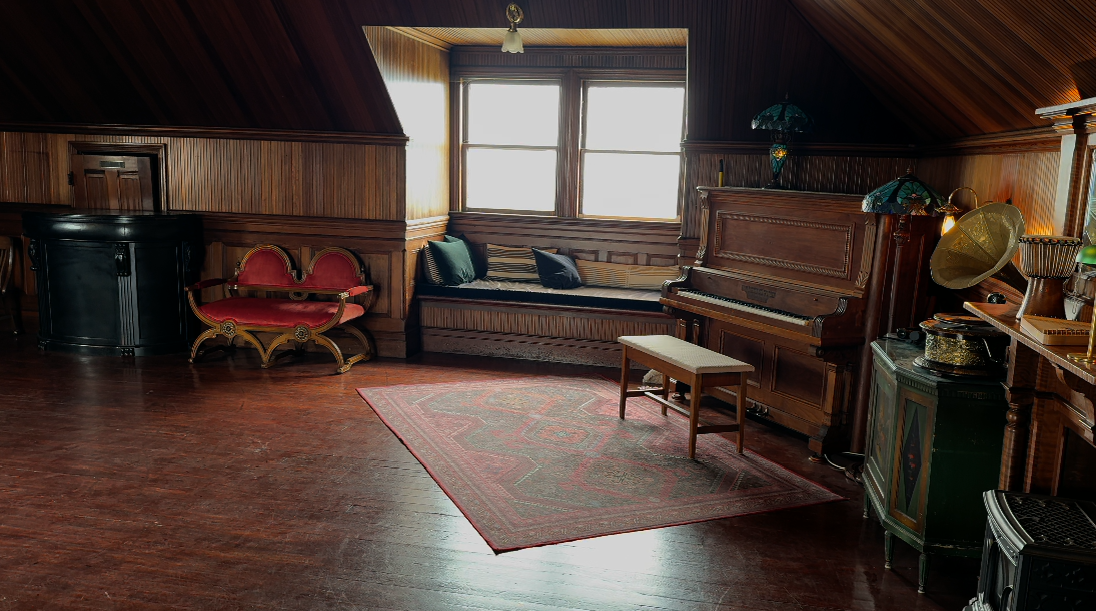
The third-floor ballroom is the feature most closely associated with the Weller House.
Even people who have never entered the building often know that the ballroom is there.
Located high inside the expanded portion of the house, it includes a broad open room, windows, seating areas, and space traditionally associated with music, dancing, gatherings, and performances.
Descriptions and photographs have shown a piano in the room, reinforcing its identity as a social and musical space.
The ballroom has become part of Fort Bragg's local imagination because it feels unexpected.
A large ballroom hidden on the upper floor of a Victorian house is the kind of architectural detail that invites stories, curiosity, and speculation.
Many local residents who toured the property remembered wanting especially to see that room.
The Water Tower
The Weller House property also includes a historic water tower.
Water towers were once practical necessities for homes and properties that needed dependable water pressure and storage before modern municipal systems became universal.
Today, the tower survives as both a historic feature and a recognizable part of the property.
Together, the house, ballroom, and water tower give the site a layered character that extends beyond the main residence itself.
Neighborhood Memories
The Weller House has long been part of everyday life on Stewart Street.
One former neighbor remembered growing up directly across the street at 525 Stewart Street until about age 16.
During that period, the Weller House was remembered as vacant, with overgrown landscaping that made the property seem mysterious.
For a child living nearby, the large old house naturally invited questions about what was happening inside and why it appeared abandoned.
That memory adds another chapter to the building's history. Historic houses are not always preserved showpieces. They often pass through quiet periods when they are vacant, neglected, altered, or simply watched from across the street by neighbors wondering what will become of them.
The Weller House's later restoration is more meaningful because the building was not always guaranteed to survive in good condition.
Restoration and Local Memory
Local residents remembered restoration work, tours, painted ceilings, interior details, dinner invitations, and connections with people involved in preserving Fort Bragg history.
Some memories connect the house with volunteers and docents associated with the Guest House Museum and the wider local preservation community.
These personal recollections show how restoration work helped return the house to public awareness.
The official National Register listing establishes the historical and architectural importance of the building, but local memories explain what it felt like to see the rooms, walk through the house, notice the woodwork, and finally visit the ballroom upstairs.
That is the difference between a building listed in a registry and a building that remains alive in community memory.
The Oldest-House Question
The Weller House often becomes part of the discussion over which surviving Fort Bragg home is the oldest.
The nearby property at 511 Stewart Street has been described in modern real-estate listings as dating to 1876 and as the first civilian house built in Fort Bragg.
That claim would make it earlier than the Weller House.
However, a modern property listing is not the same kind of evidence as a National Register nomination supported by formal historical documentation.
The safest way to describe the situation is that the Weller House is one of Fort Bragg's best-documented and officially recognized early Victorian residences.
The earlier claim for 511 Stewart Street clearly exists in local discussion and property marketing, but it is not supported here by the same level of formal historic designation.
That distinction matters.
Terms such as "oldest house," "oldest surviving house," "oldest Victorian," and "oldest officially documented residence" do not always mean the same thing.
Fort Bragg's history survives through a mixture of nomination forms, deeds, property records, newspaper accounts, personal memories, house tours, restoration stories, neighborhood knowledge, and repeated local claims.
Sometimes those sources fit neatly together.
Sometimes they leave room for another sidewalk argument.
The Building Today
Today, the Weller House remains one of Fort Bragg's most recognizable historic residences.
It has been known as a preserved Victorian, a lodging property, and a formal landmark connected with the town's early residential history.
The house is remembered for its interior beauty as much as for its exterior presence.
Its carved woodwork, antique furnishings, period rooms, decorative ceilings, ballroom, and water tower all contribute to its identity.
The property's official historic status gives it a level of recognition that many other old Fort Bragg homes do not have.
At the same time, its place in local memory comes from much more than paperwork.
People remember seeing it vacant and overgrown, watching restoration work, touring the rooms, hearing stories about the ballroom, and comparing it with other early homes nearby.
Why It Matters
The Weller House matters because it sits at the meeting point of official history and community memory.
On paper, it is a National Register property built in 1886 for Horace Weller and enlarged in 1897.
In local memory, it is also the mysterious house across the street, the restored Victorian people toured, the place with the painted ceilings and redwood ballroom, and the building that keeps appearing whenever someone asks which Fort Bragg house is really the oldest.
It is not simply a beautiful Victorian.
It is one of those places where documentation and local memory continue to meet face to face.
That is also why the Weller House helped inspire this larger Buildings and Businesses project.
It has enough documented history to anchor a story, but it also continues to draw out memories, corrections, questions, and side trails.
That is usually a sign that a building is still doing its job as part of the town's memory.
Sources & Original Research
This article blends verifiable historical records with personal recollections shared by longtime Fort Bragg residents. Much of this information comes from community memory and is not available in any published source.
Sources: Original post text and photographs supplied by Gee Bee; original research post and discussion at https://www.facebook.com/media/set/?set=a.10153269104881177&type=3; original Facebook discussion provided by Gee Bee with contributor memories from Laura Schroeder, Robin Cresci, Nancy Fereira, Karen Horne, Sarah Ginskey, Fred Andrews, Stephanie Jo Scotillo, Jeff Sweat, Joe Wagner, and Bess Mahaney; National Register of Historic Places nomination form for the Weller House; NoeHill listing for National Register property number 76000499, Weller House; Weller House official website; Zillow listing for 511 Stewart Street; Realtor.com listing for 511 Stewart Street; and Redfin listing for 511 Stewart Street.
